<長谷寺(はせでら)>
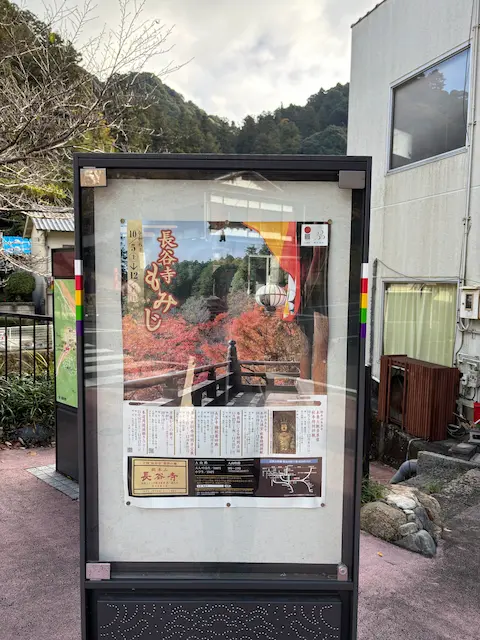
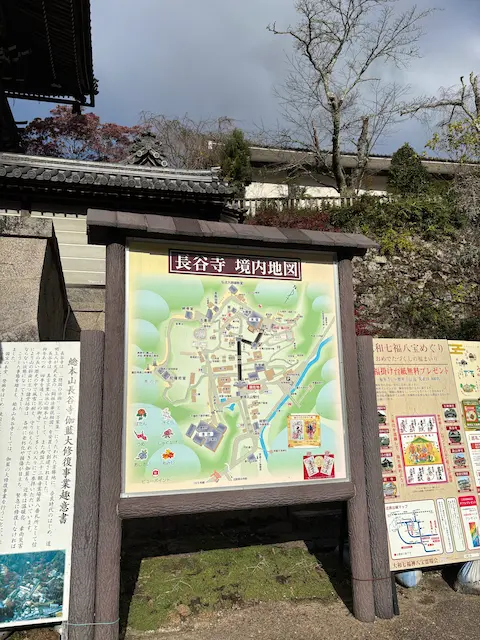
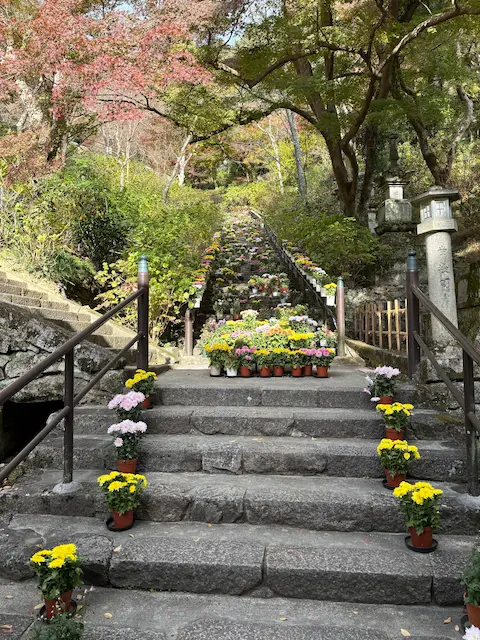
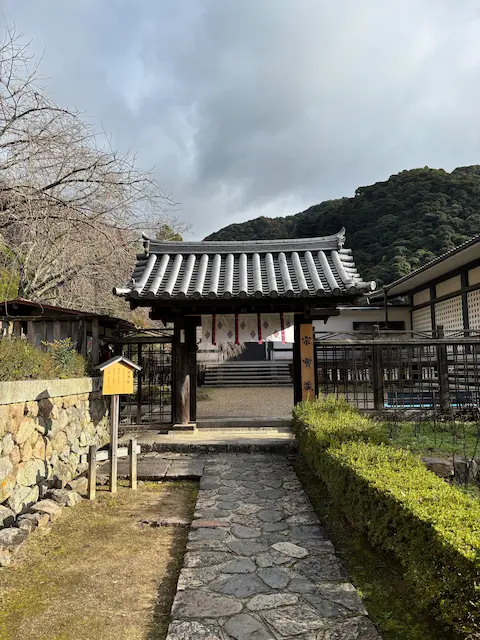
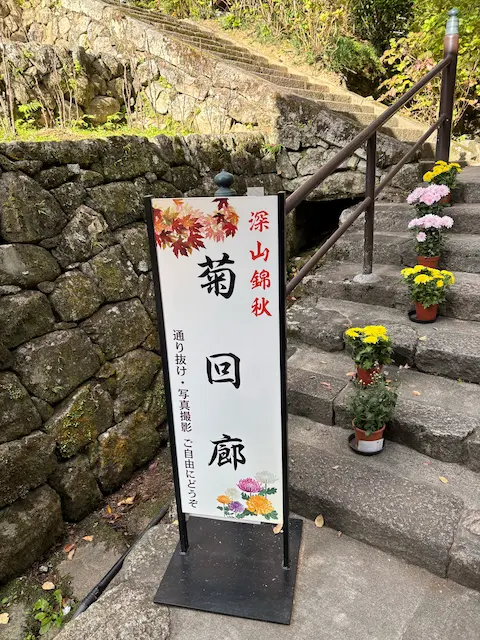
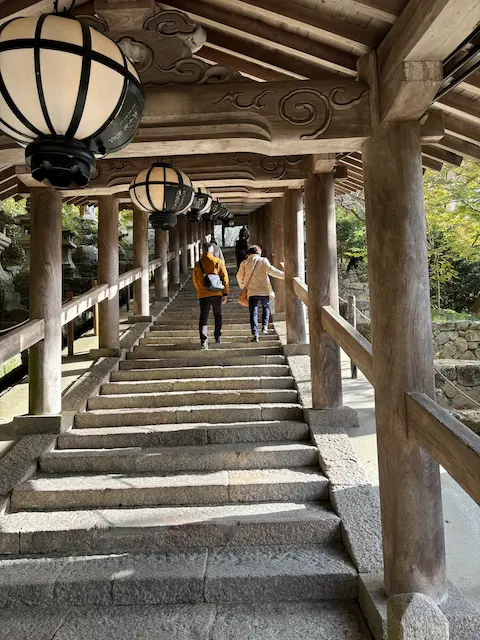
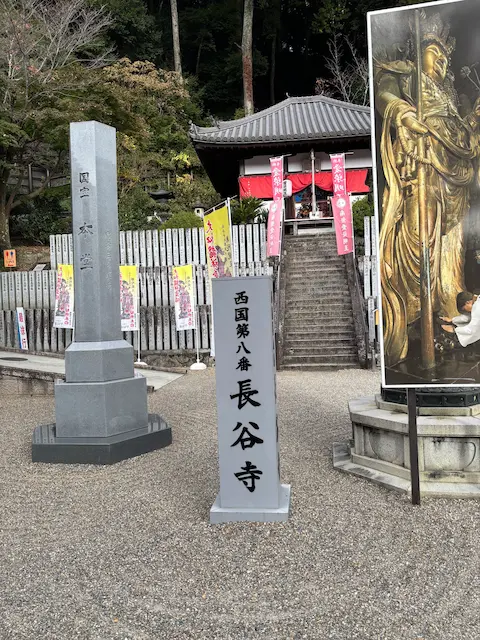
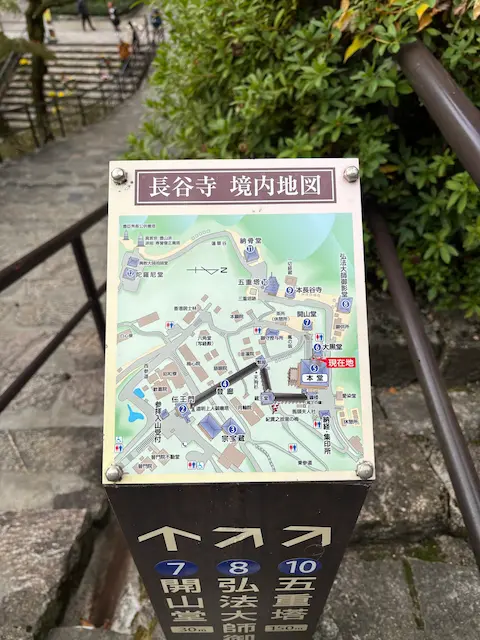
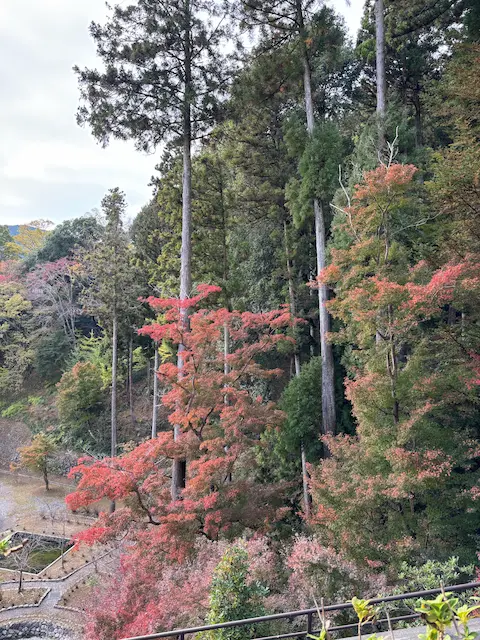
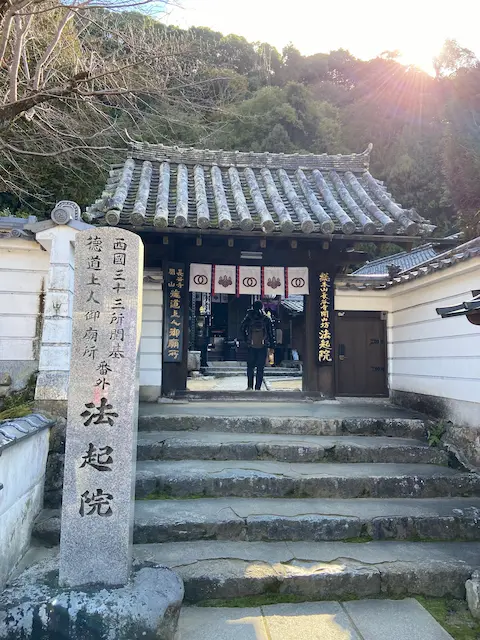
真言宗豊山(ぶざん)派の総本山で、西国33か所観音霊場の第8番札所。天武天皇の時代に始まり、奈良時代に聖武天皇(しょうむてんのう)の時代に始まり、奈良時代に聖武天皇の勅願(ちょくがん)で道徳上人(どうとくじょうにん)が十一面観音立像を安置したと伝わる。平安時代には都の貴族の間で長谷寺に参る初瀬(はつせ)詣が大ブームとなり、『源氏物語』など王朝文学にも描かれた。初瀬山の山腹に広がる境内は風情豊か。『花の御寺(みてら)』ともよばれ、名高いボタンのほか桜やアジサイ、紅葉が折々に境内を彩る。
<十一面観音立像(じゅういちめんかんのんりつぞう)>
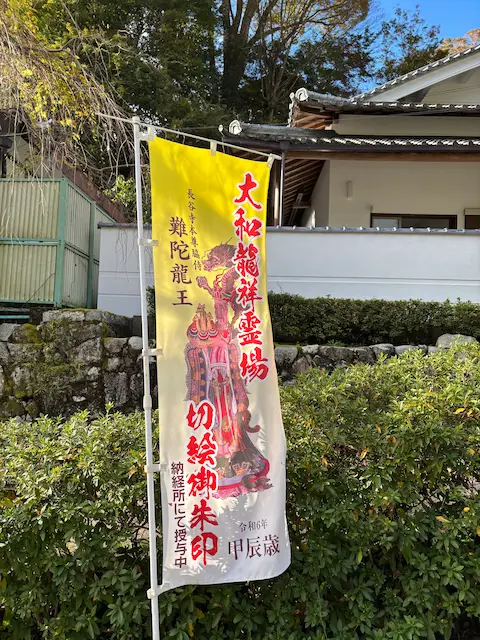
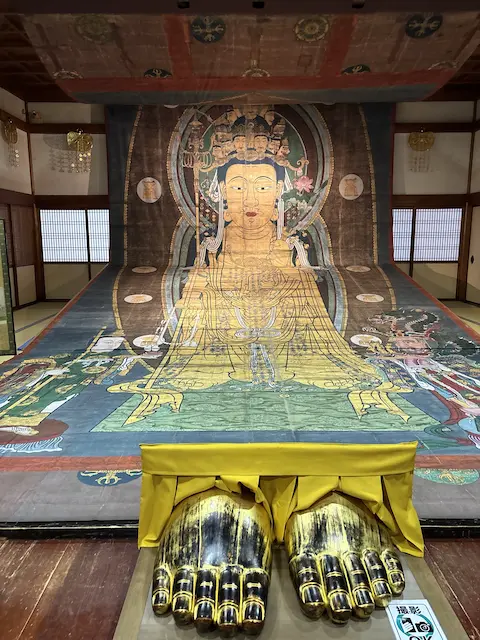
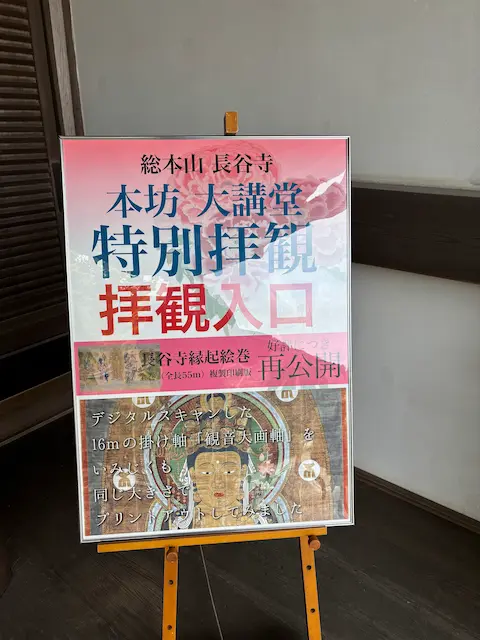
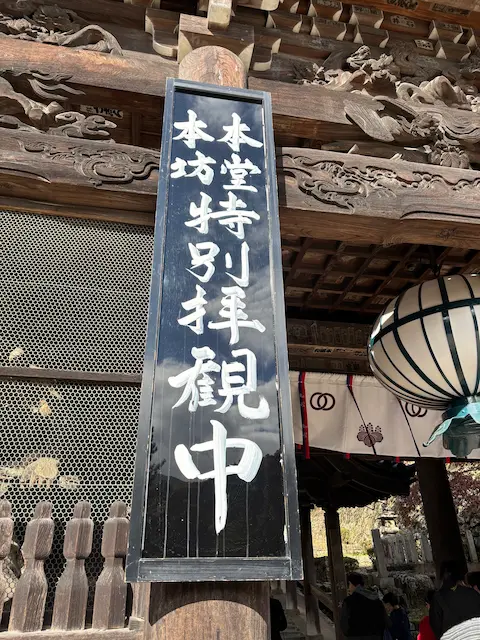
像高10mを超える金色の巨象。木造の仏像では日本最大級という。春と秋の特別拝観では、普段立ち入れない足下まで入れ、おみ足に直接触れることができる。特別拝観料1000円。
長谷寺(はせでら)良かったです。先に、十一面観音立像の特別拝観のほうに行ってしまったので、肝心かなめの本堂に参拝できず、残念。特別拝観では、ミサンガ?をいただき、スタッフの人が、手にお香塗ってくれますよ。ほんといい匂いでした。
奈良の長谷寺から、海で鎌倉の長谷寺まで流れ着いた。
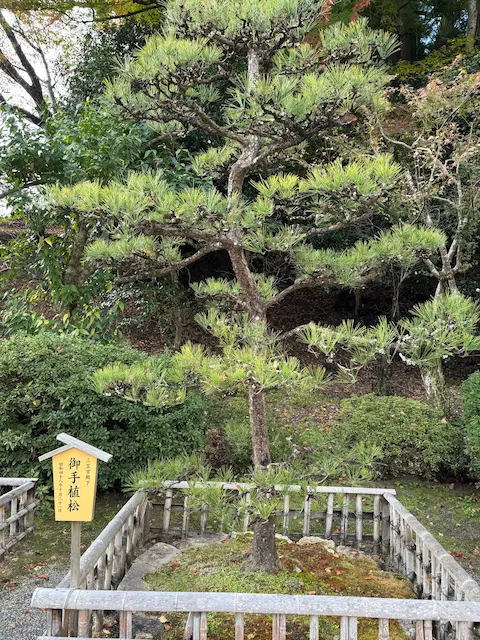
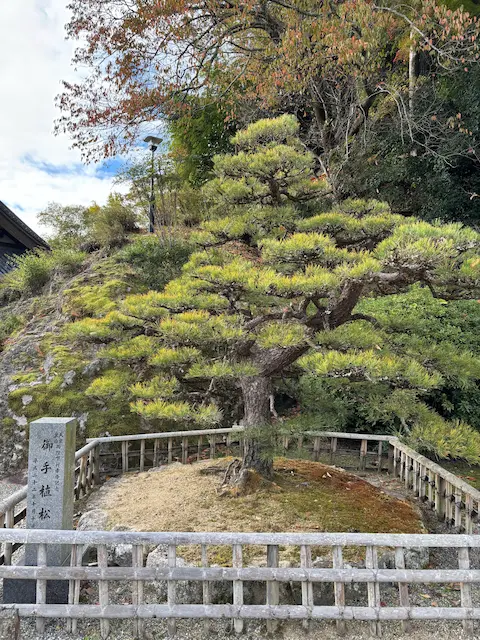
テレビ朝日のグットいちおしで、始まりの地、奈良から鎌倉へ。不自然ではない伝説ですね。キレイにお手入れされてる松もありましたよ。
ブラタモリ見逃したりするときは、NHKONEで見ればいいと思うけど、登録の仕方が分からなくて・・・。youtubeで配信してくれてる、テレビ朝日のグットイチオシと、読売テレビの若一調査隊は、ほんと助かりためになります。
<hase-dera>
The head temple of the Shingon-shū Buzan sect and the eighth temple of the Saigoku 33 Kannon Pilgrimage. It is said to have begun in the era of Emperor Tenmu, and in the Nara period, by imperial decree of Emperor Shōmu, the Dōtoku jyounin enshrined a standing statue of the 11 Faced Kannon. During the Heian period, pilgrimages to Hase-dera became immensely popular among the capital’s nobility, depicted in courtly literature such as Genji monogatari.
The temple grounds, spreading across the mountainside of Hatsuseyama, are rich in charm.
Also known as the ‘Flower Temple’, its grounds are adorned throughout the seasons by renowned peonies, alongside cherry blossoms, hydrangeas, and autumn foliage.
<11-faced kannon ritsuzou>
A golden colossal elephant exceeding 10 metres in height. It is said to be one of the largest wooden Buddhist statues in Japan. During the special spring and autumn viewing periods, visitors may enter areas normally off-limits, including the sacred feet, and touch them directly. Special viewing fee: ¥1,000.
Hasedera was lovely. Unfortunately, I went to see the special viewing of the Standing Statue of the 11-Faced Kannon first, so I missed out on visiting the main hall itself, which is the heart of the temple. During the special viewing, you receive a misanga? and a staff member applies incense to your hand. It smelled truly lovely.
From Hasedera in Nara, it drifted across the sea to Hasedera in Kamakura.
TV Asahi’s Good Ichioshi from Nara, the land of beginnings, to Kamakura. It’s a legend that feels quite natural. There were also beautifully maintained pine trees.
When I miss an episode of Bura Torimori, I suppose I could watch it on NHK ONE, but I don’t know how to register….
‘Good Ichioshi’ on TV Asahi and ‘Wakaichi Investigation Team’ on Yomiuri TV, which are streamed on YouTube, are genuinely helpful and informative.