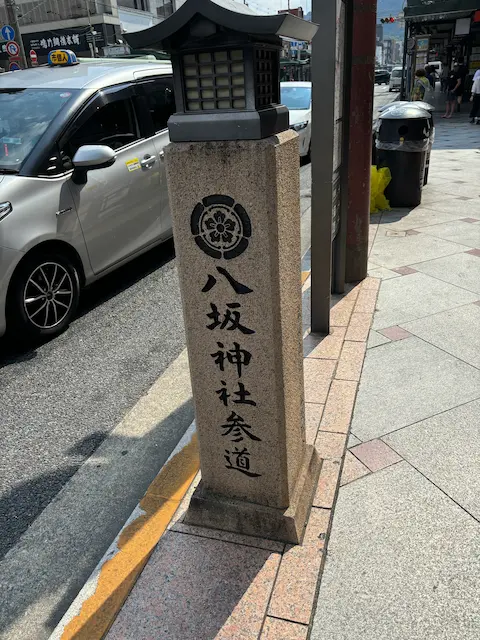
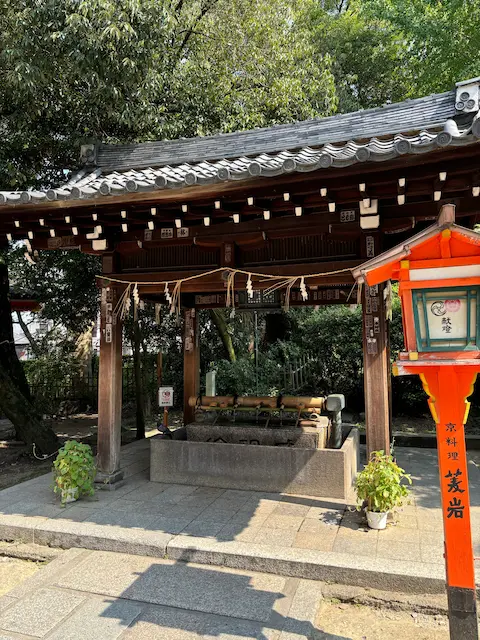
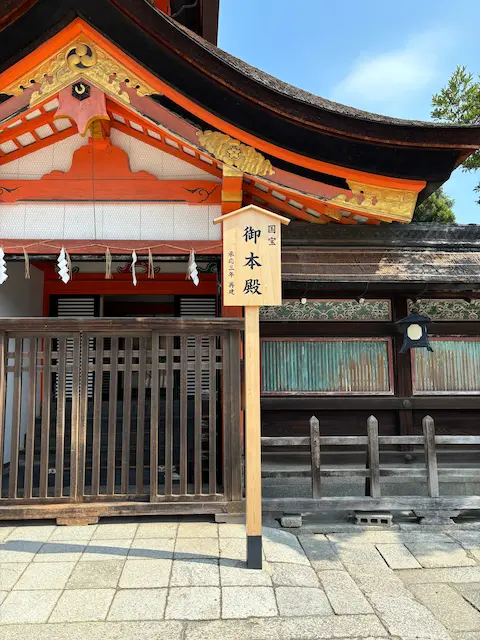
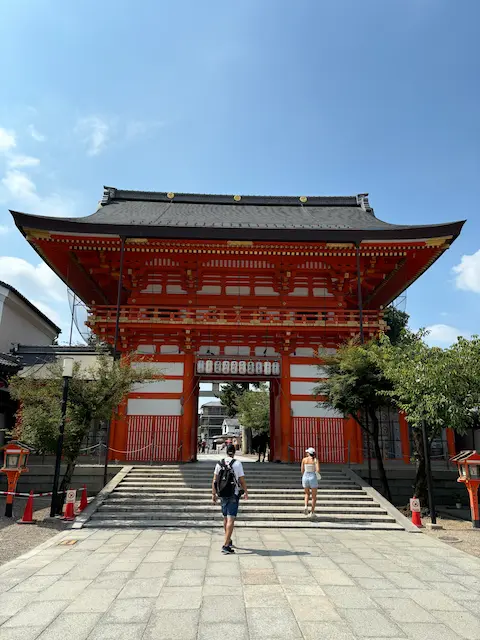
<Yasaka Shrine> Founded in the second year of Empress Saimei’s reign (656), this ancient shrine is renowned for its blessings in warding off misfortune, bringing good fortune and happiness, and ensuring business prosperity. The Gion Festival, held over the course of a month in July, is a festival event at Yasaka Shrine, also well-known for its bustling New Year’s visits.
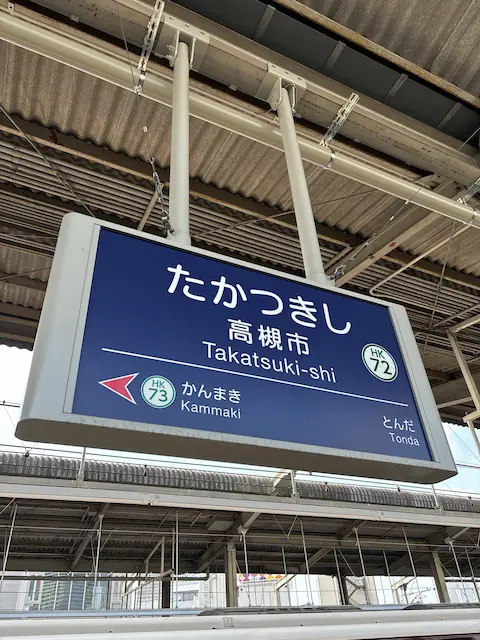
I heard Yasaka Shrine is recommended for warding off misfortune, so I hopped on the Hankyu train to Kawaramachi. I hopped on an express train at Juso Station, transferred to a limited express at Takatsuki Station, and headed to Kawaramachi. I was shocked to find that the Marui in Kawaramachi was gone. I went first thing in the morning, so it was really empty and I could take my time visiting the shrine.
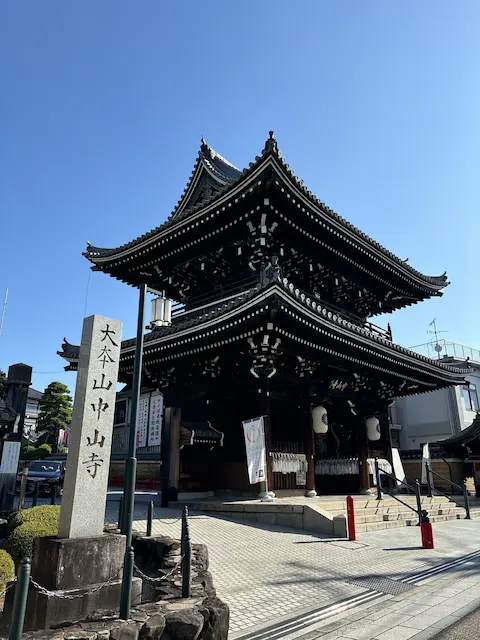
Nakayama Temple isn’t listed in the Rurubu guidebook… It’s famous for its deity of safe childbirth, right? Is Mr. Nakayama connected to Suntory? My family has a connection to the Pacific War, as my grandmother was saved by Mr. Nakayama in his air-raid shelter…. During the Pacific War, the industrial areas of Tokyo, Hiroshima, Nagasaki, Osaka, Sakai, Kobe, Nishinomiya, and Amagasaki were all targeted, and it seems the damage was extensive. Takarazuka City didn’t seem to suffer much damage during the Pacific War. I’ve heard that when people looked toward Osaka from the Kameoka Basin in Kyoto and the Nara Basin, it was a sea of fire. That’s truly terrifying, isn’t it?
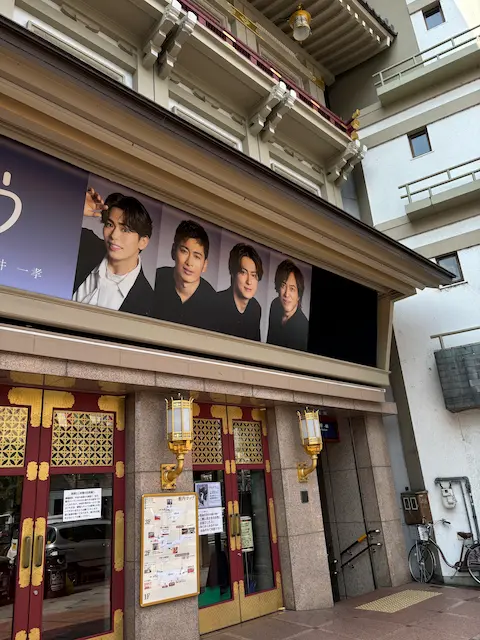
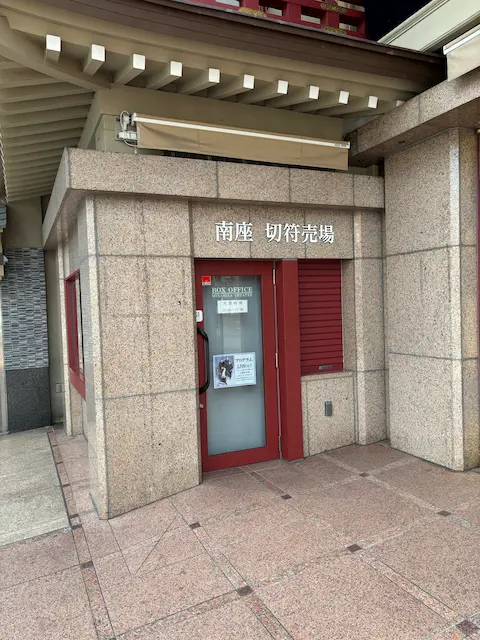
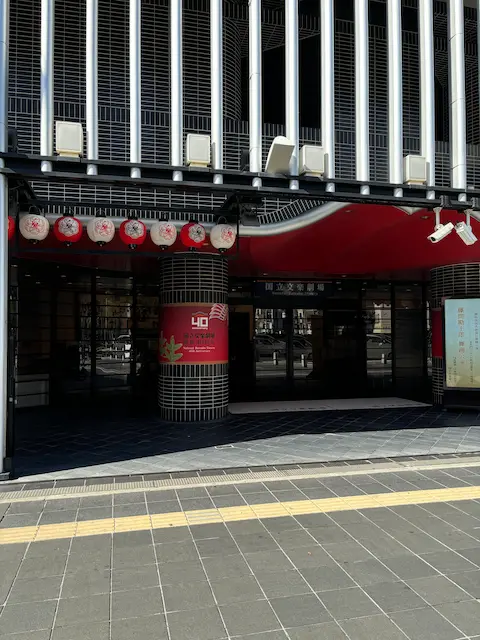
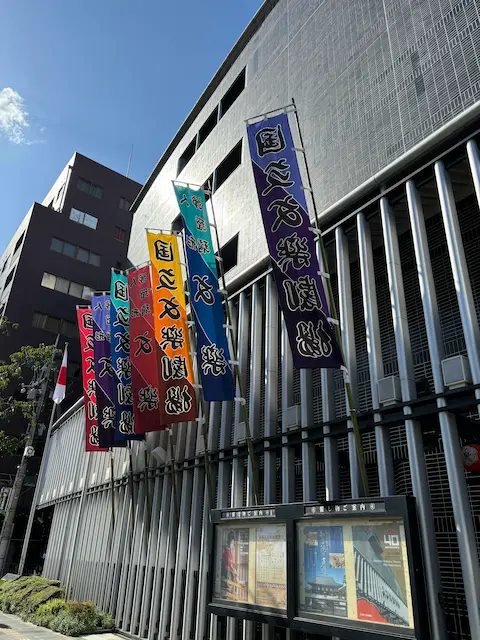
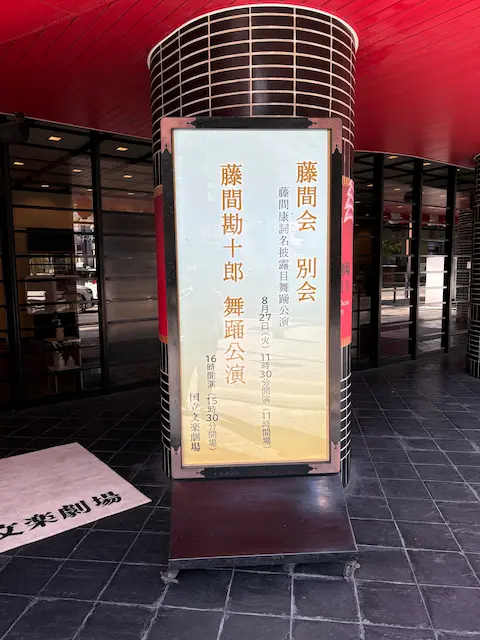
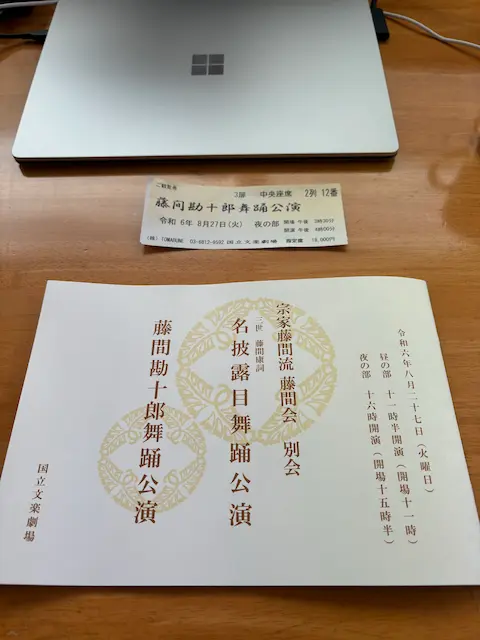
I went to see Mr. Fujima’s kabuki performance. This time, I watched it with even higher energy than usual. What do you know, it’s Ainosuke Kataoka, who was in that show ‘Berabou’. The mere appearance of Ainosuke sent the venue into a frenzy. The kabuki performance ended at 8 PM, so we planned to go to a popular spa in Osaka called Spa Suminoe before heading home. But since we’d probably get home past midnight, we decided to skip it. I drove from Nakanoshima Nishi IC, went to the spa I often visit, and then headed home.