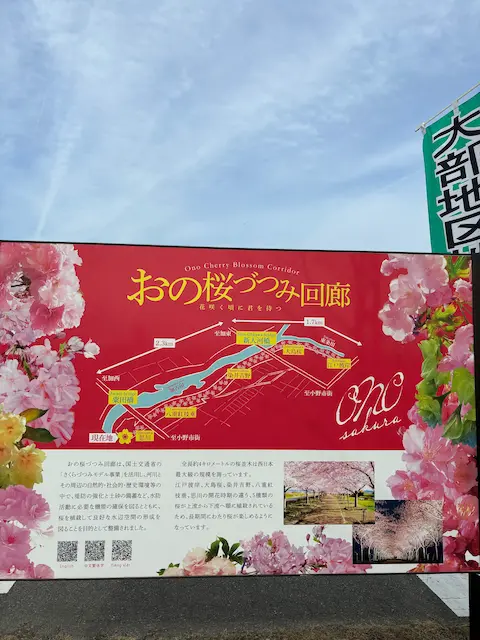
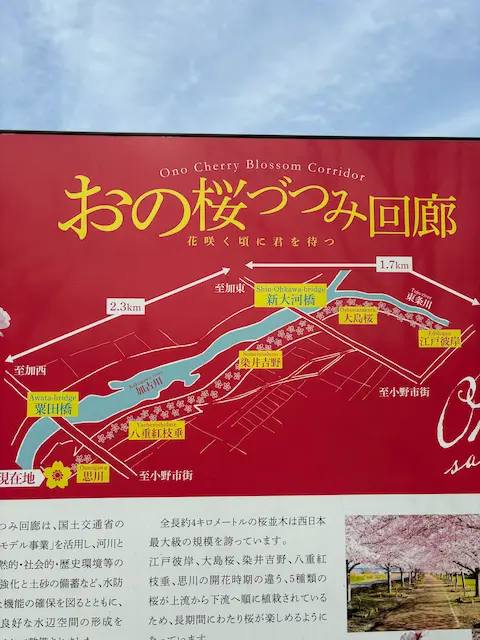
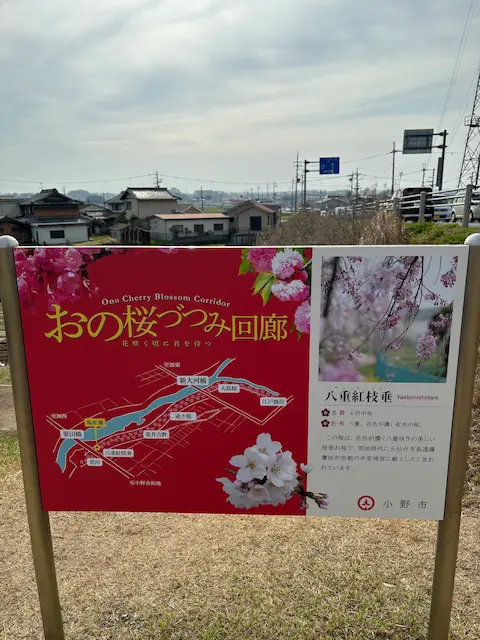
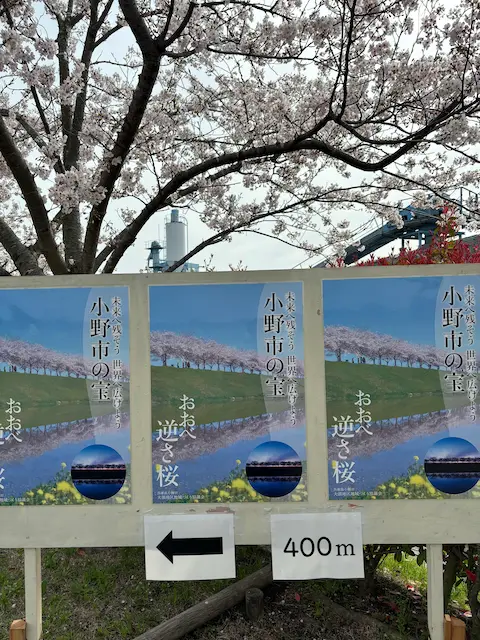
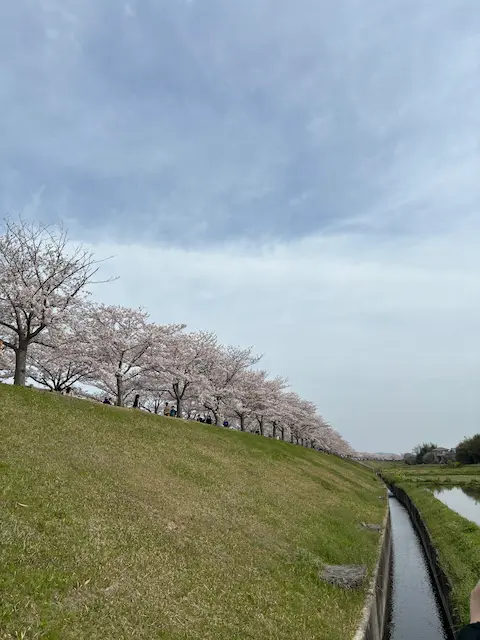
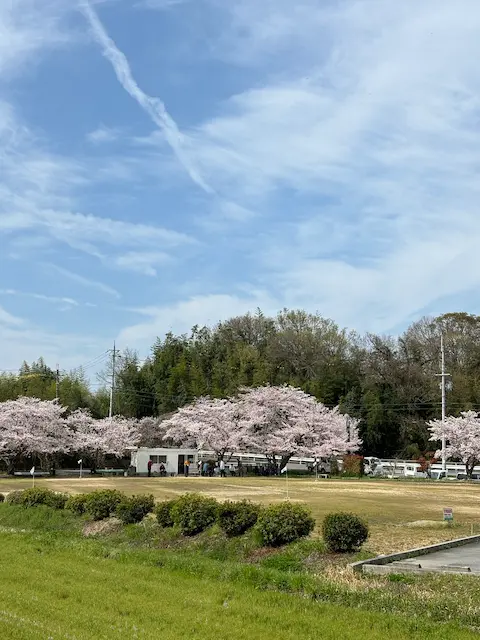
おの桜づつみ回廊は、国土交通省の「さくらづつみモデル事業」を活用し、河川とその周辺の自然的・社会的・歴史環境等の中で、堤防の強化と土砂の蓄積など、水防活動に必要な機能の確保を図るとともに、桜を植栽して良好な水辺空間の形成を図ることを目的として整備されました。
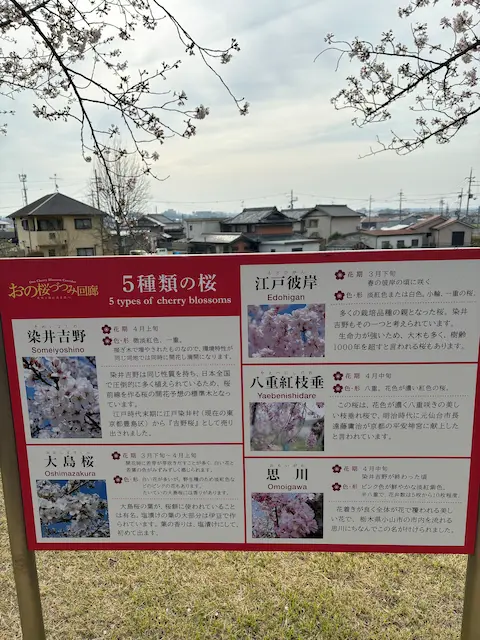
全長約4キロメートルの桜並木は西日本最大級を誇ってます。エドヒガン、オオシマサクラ、ソメイヨシノ、ヤエサクラ、オモイガワの開花時期の違う、5種類の桜が上流から下流へ順に植栽されているため、長時間にわたり桜が楽しめるようになっています。
NHKの関西お花見スポットで、小野市の逆さ桜放送されてたので、行ってきました。
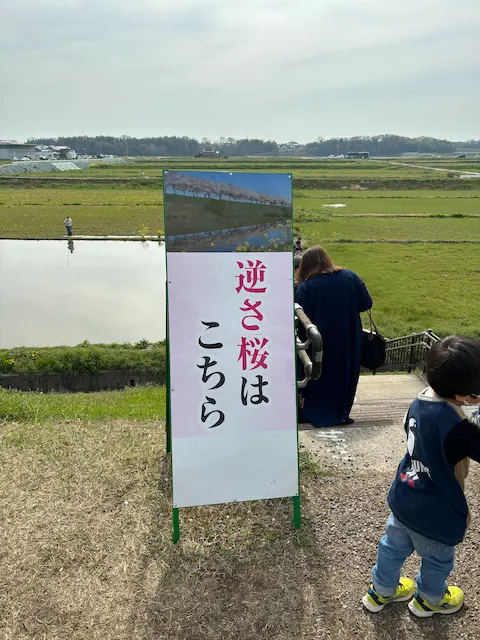
なんと田んぼに、逆さ桜が。自然の美しさを知れた感じがしました。小野市の名店ぷらっときすみのさんも、加古川沿いで、美味しそうな巻き寿司売ってましたよ。姫路ナンバー多かったですよ。
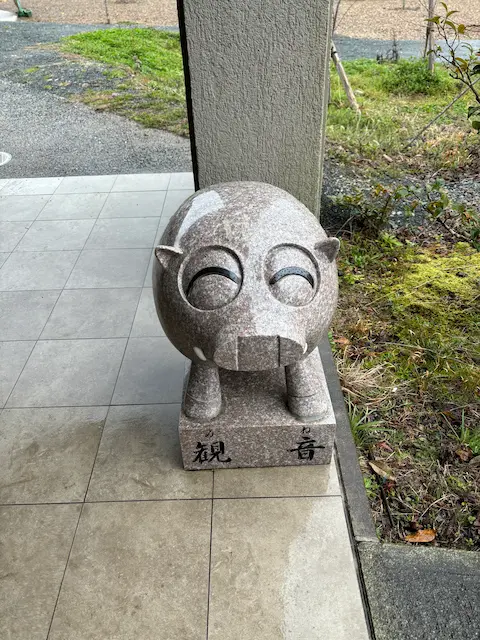
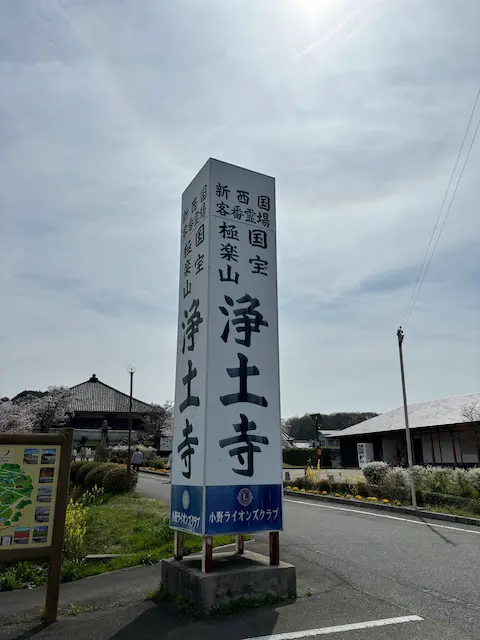
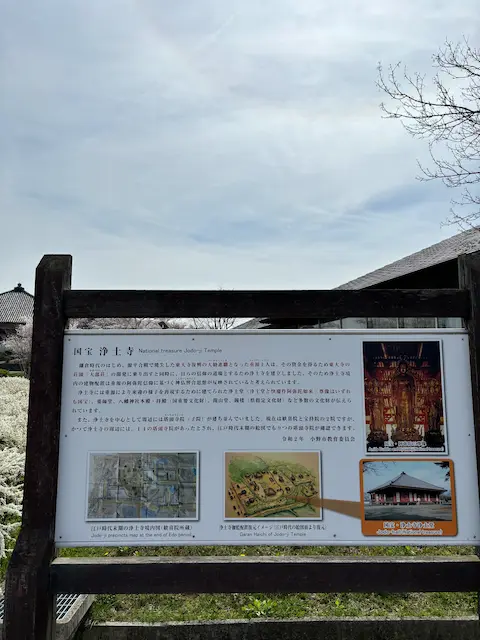
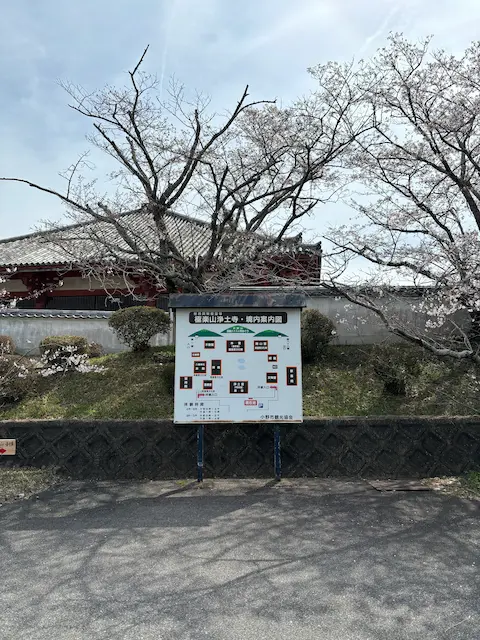
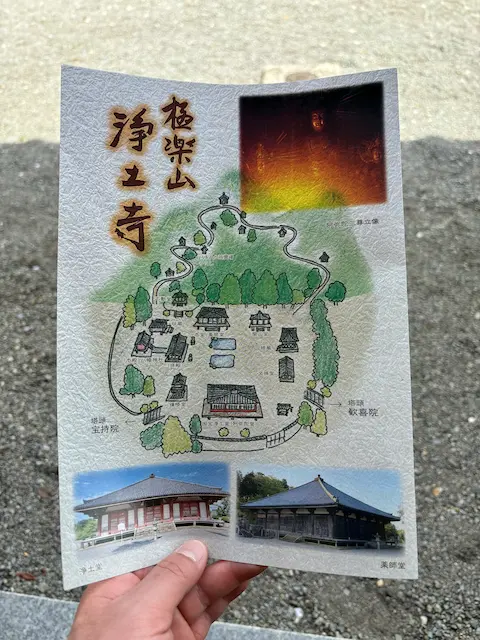
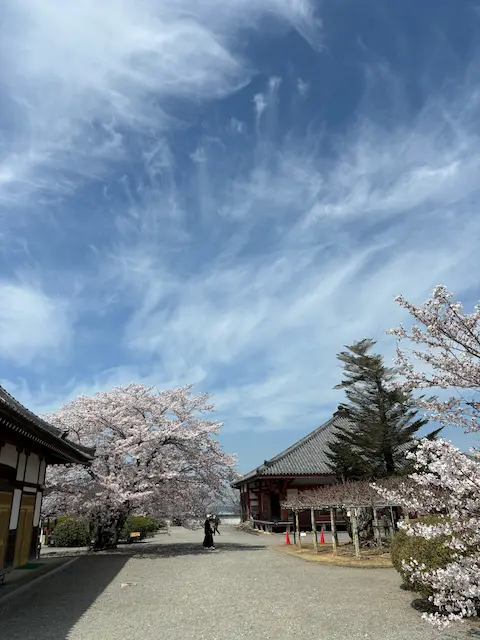
おの桜づつみ回廊は、人気なので混雑してたので、浄土寺(じょうどじ)さんで、ゆっくり桜拝見させてもらい、参拝させてもらいました。
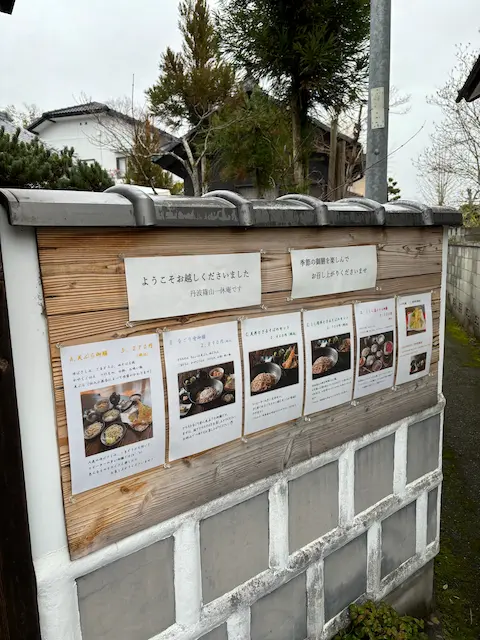
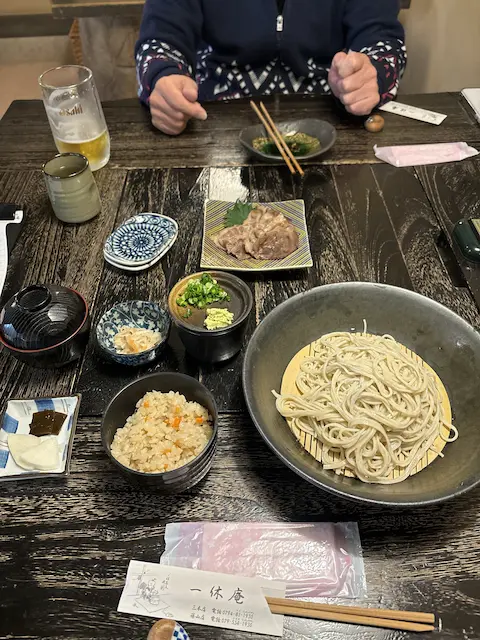
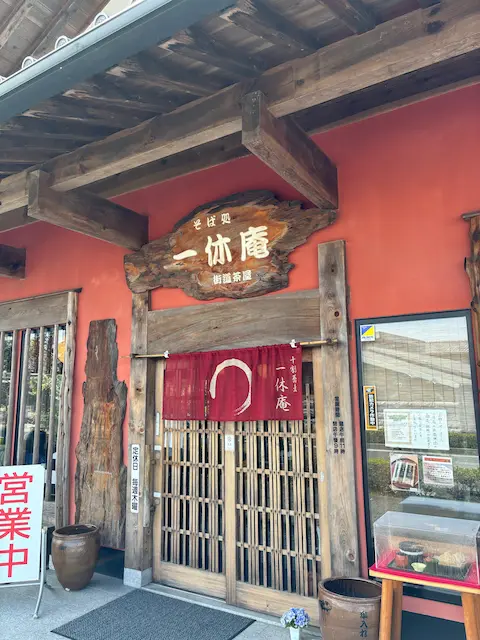
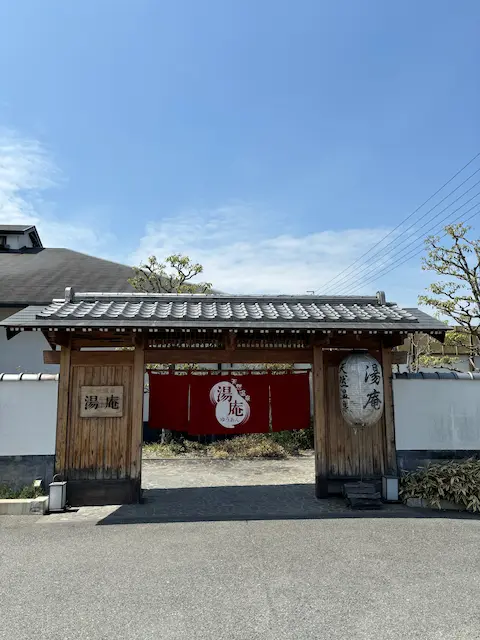
浄土寺さんの参拝の帰り、三木市の一休庵さんで美味しいお蕎麦食べて、ゆうあんさんで、ゆっくり疲れを癒してから、帰宅しました。
The Ono Sakura-tsutsumi Corridor was developed utilizing the Ministry of Land, Infrastructure, Transport and Tourism’s “Sakura-tsutsumi Model Project.” Its purpose is to ensure functions necessary for flood control activities, such as embankment reinforcement and sediment accumulation, within the natural, social, and historical environment of the river and its surroundings, while also planting cherry trees to create a pleasant waterside space.
The approximately 4-kilometer-long cherry blossom avenue boasts one of the largest such stretches in Western Japan. Five varieties of cherry trees—Edohigan, Oshima, Somei Yoshino, Yaezakura, and Omigawa—with differing blooming periods are planted sequentially from upstream to downstream. This arrangement allows visitors to enjoy cherry blossoms over an extended period.
NHK featured Ono City’s inverted cherry blossoms on their Kansai cherry blossom viewing spots, so I went to see them.
Imagine inverted cherry blossoms reflecting in a rice paddy! It felt like experiencing the beauty of nature. The famous Ono City shop, Plat Kisumi, was also selling delicious-looking rolled sushi along the Kako River. There were lots of Himeji license plates.
The Ono Sakura Tsutsumi Corridor was crowded due to its popularity, so I took my time viewing the cherry blossoms and paid my respects at Jodoji Temple instead.
After visiting Jodoji, I had delicious soba noodles at Ikkyuan in Miki City. Then, I relaxed and recharged at Yuuan before heading home.